

Let It Rock
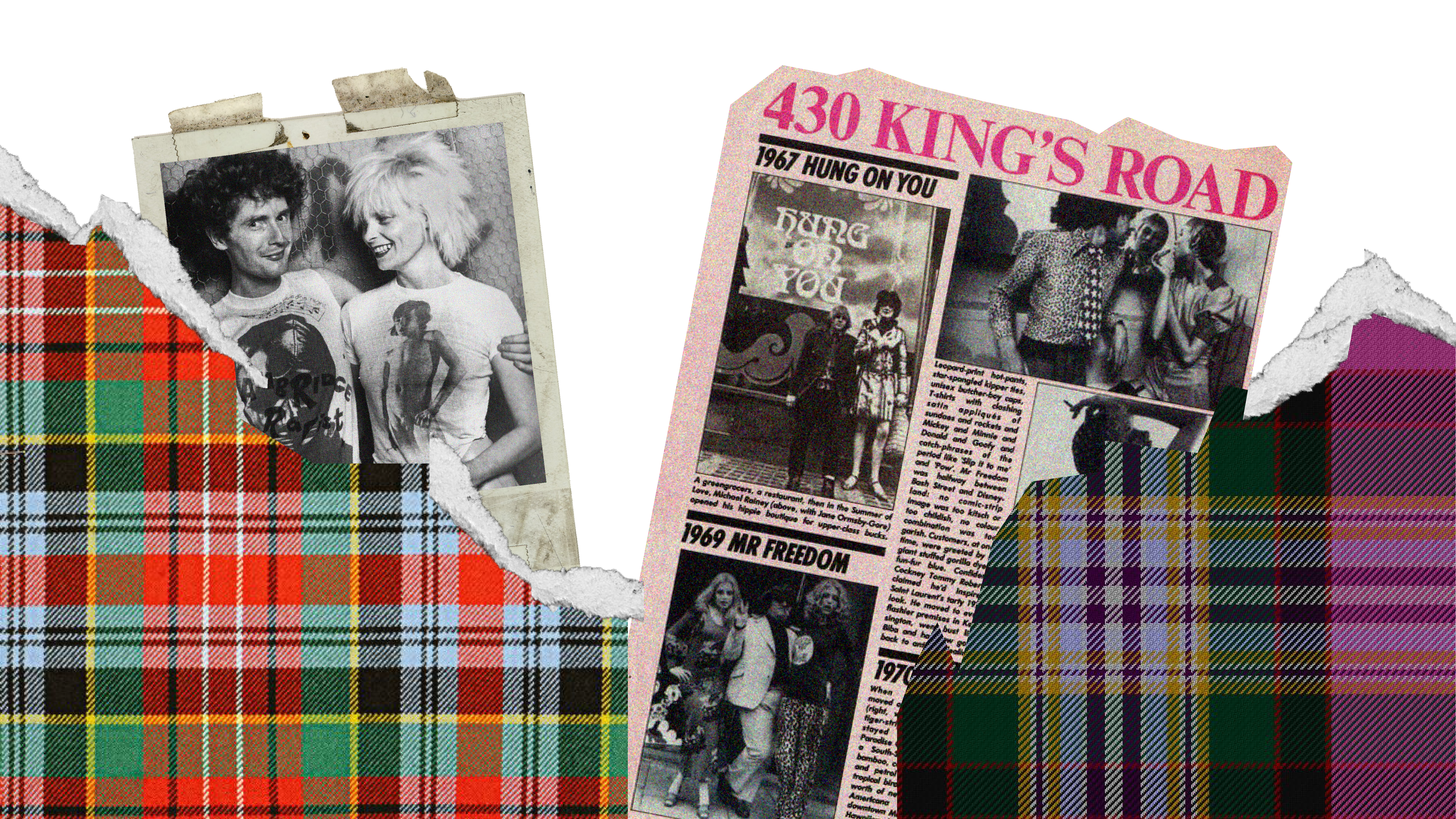
Vivienne Westwood and Malcolm McLaren opened their first boutique at 430 King’s Road in London. The shop combined 1950s clothing, music and youth culture which marked the beginning of their experimental approach to fashion.
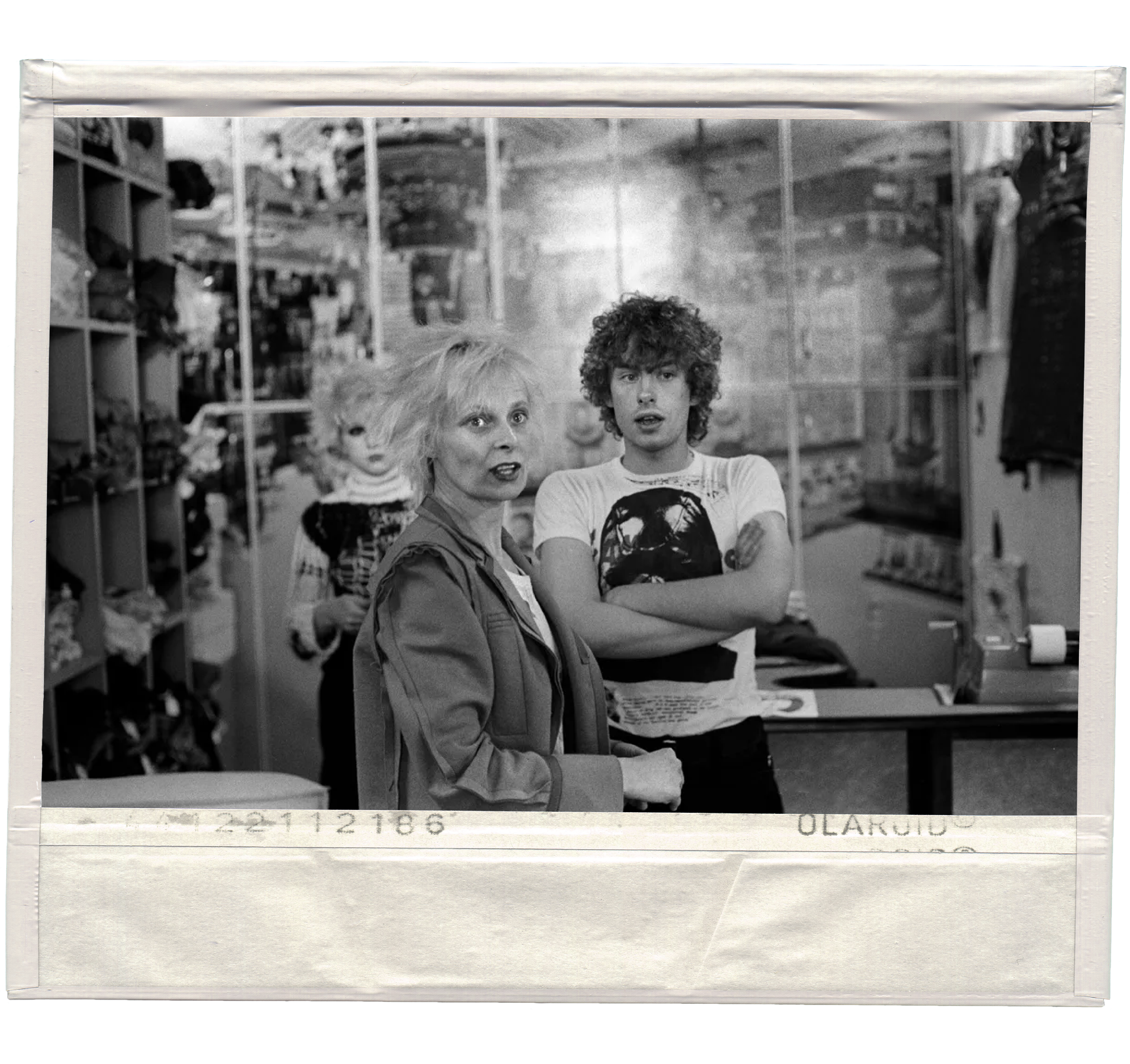
Image Source: London Museum
Fashion as Provocation
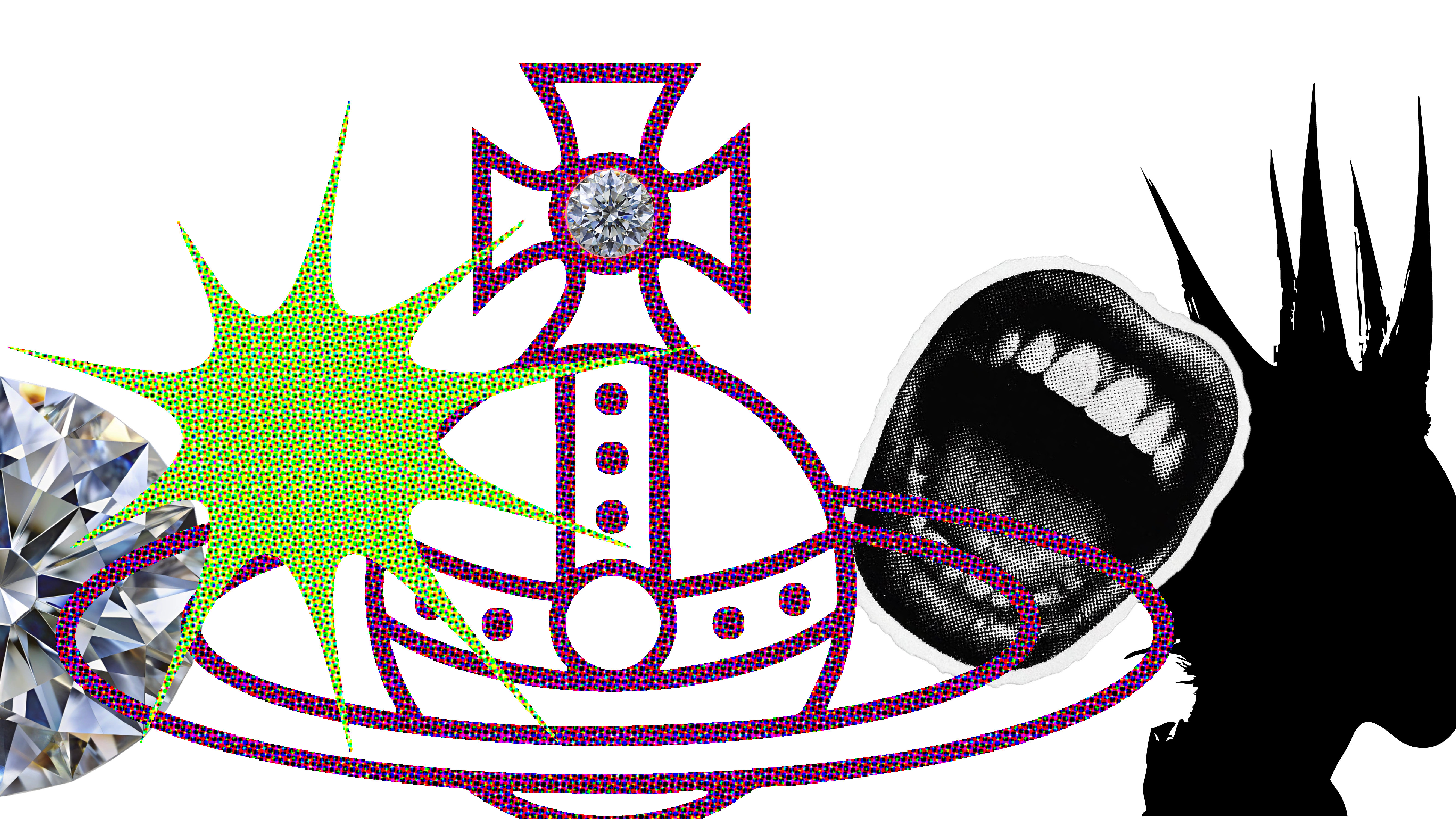
The boutique was renamed SEX to reflect its provocative approach to fashion. Westwood introduced garments with leather, rubber, bold graphics and distinctive designs that challenged social norms, making the shop a symbol of rebellion and individuality within London's emerging punk scene.
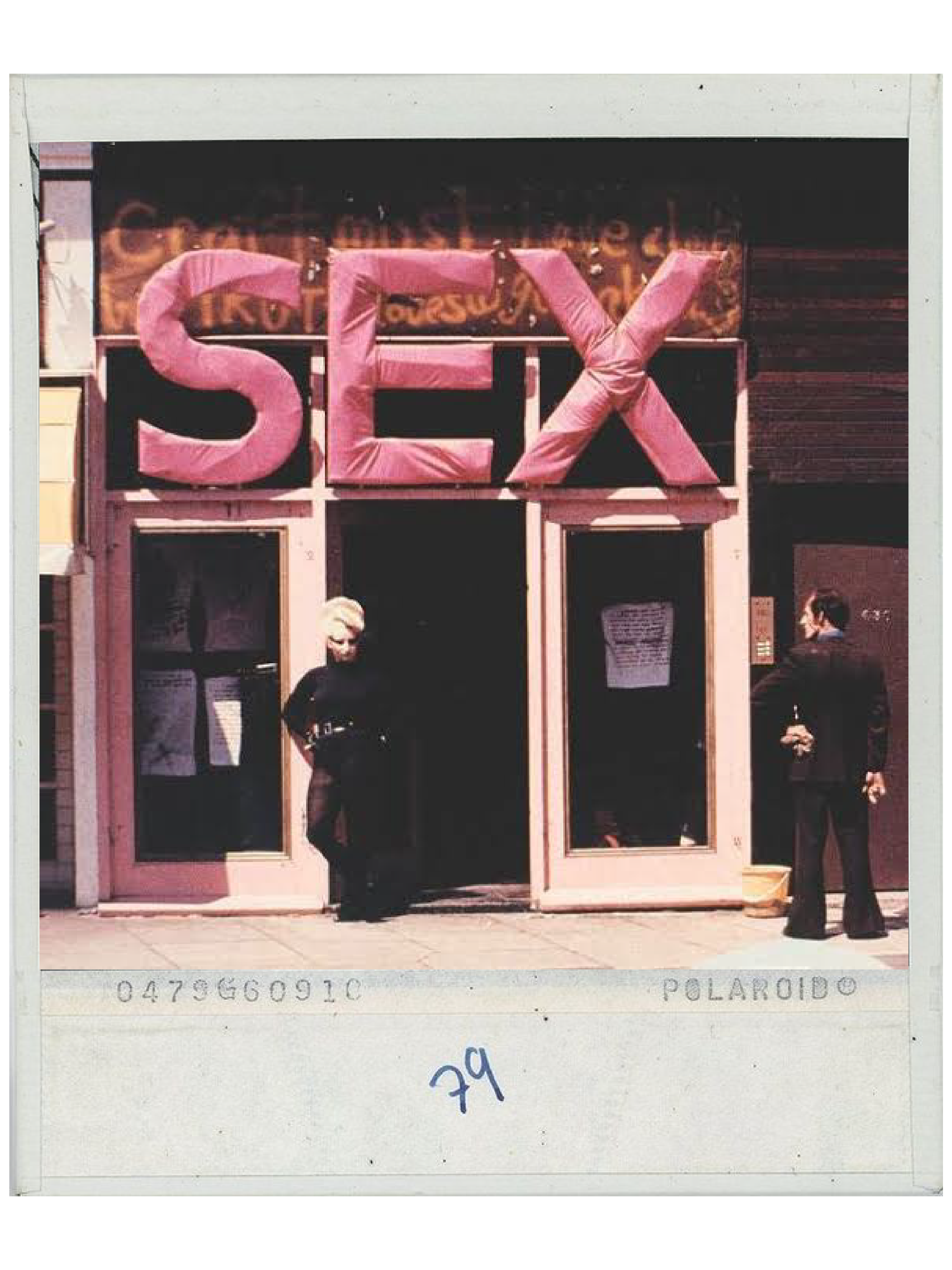
Image Source: Haste Magazine
Punk Revolution
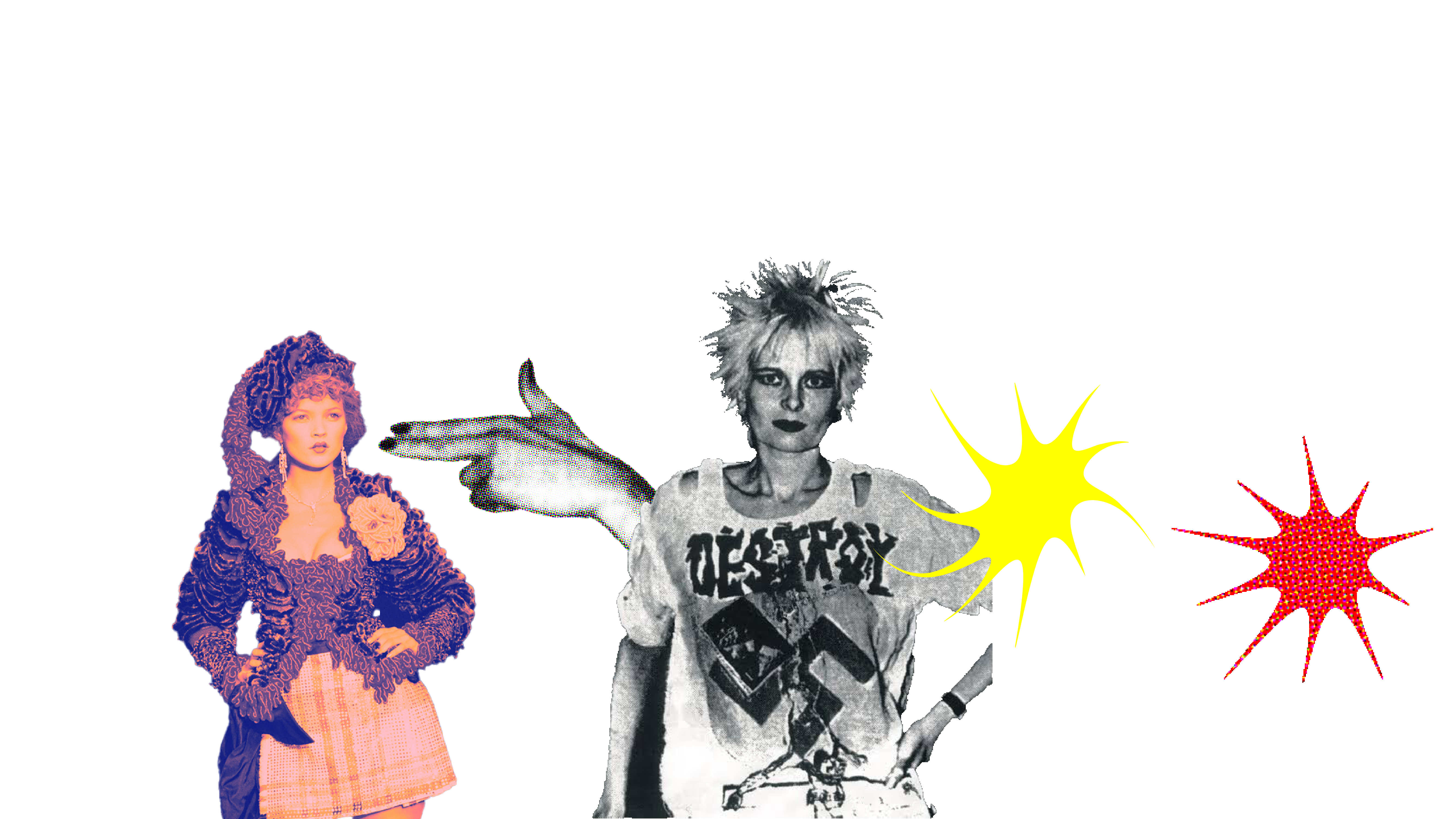
As punk music emerged in Britain, Westwood’s clothing became part of the movement’s visual identity. Torn fabrics, safety pins, confrontational graphics and unconventional styling turned fashion into an expression of rebellion.
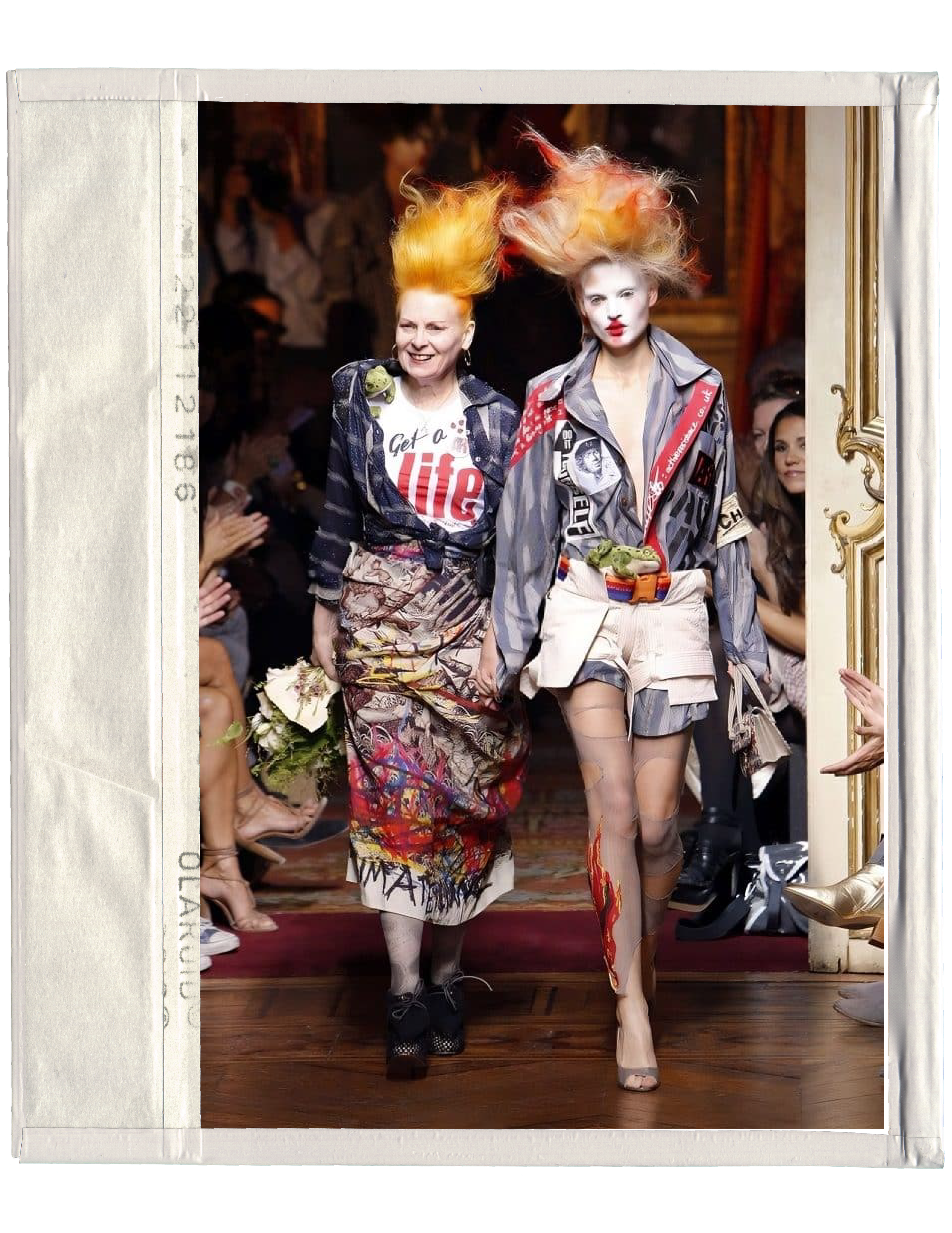
Image Source: Vogue Hong Kong
Seditionaries
The shop later became Seditionaries where political imagery, ripped clothing and rebellious slogans pushed punk fashion further. Clothing was used to question authority and provoke public reaction.
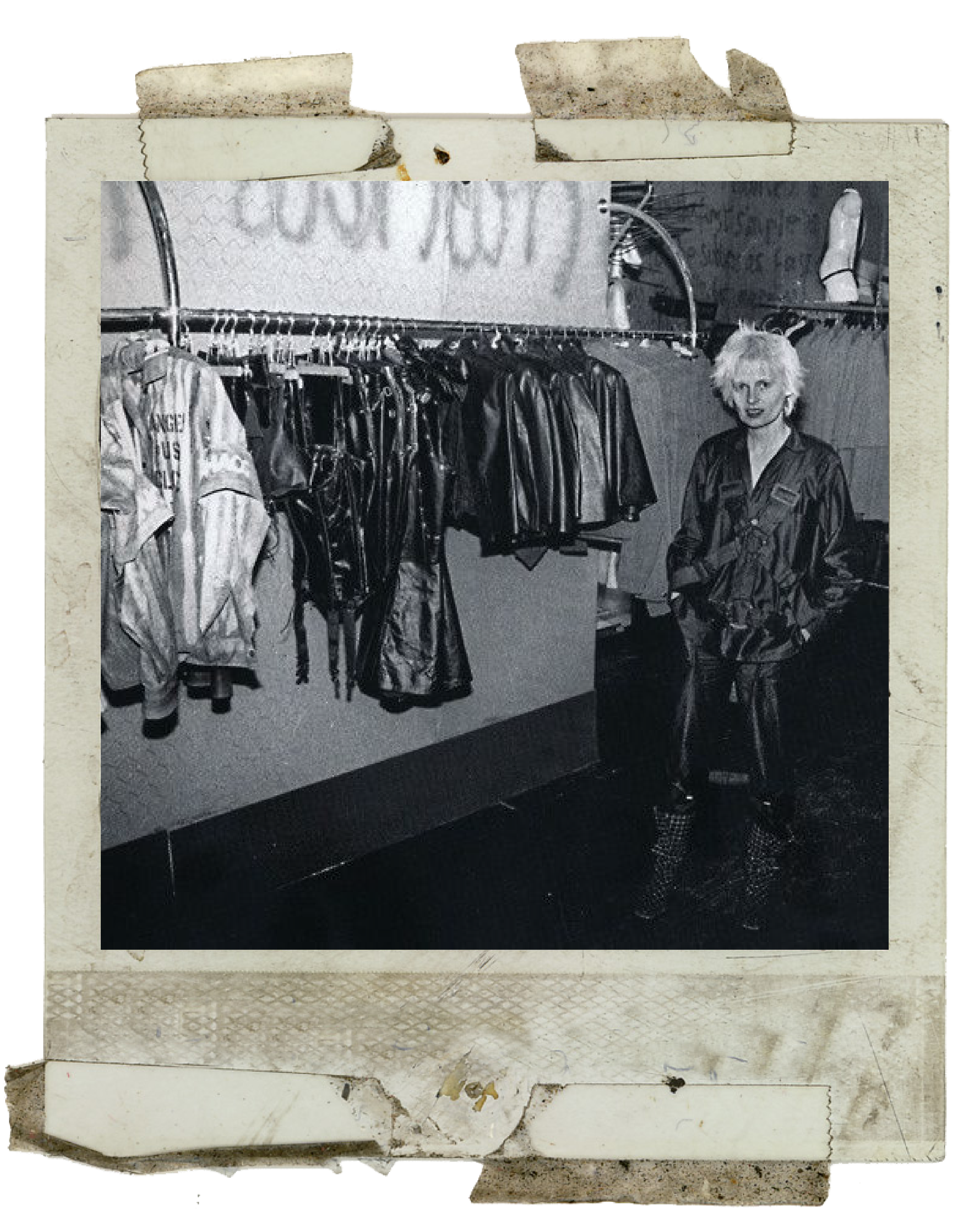
Image Source: Fashion History Timeline (FIT)
Beyond Punk
The Pirate Collection marked Westwood’s first official catwalk show and signalled her movement beyond early punk. Historical clothing, dramatic silhouettes and global references transformed rebellion into a new high fashion language.
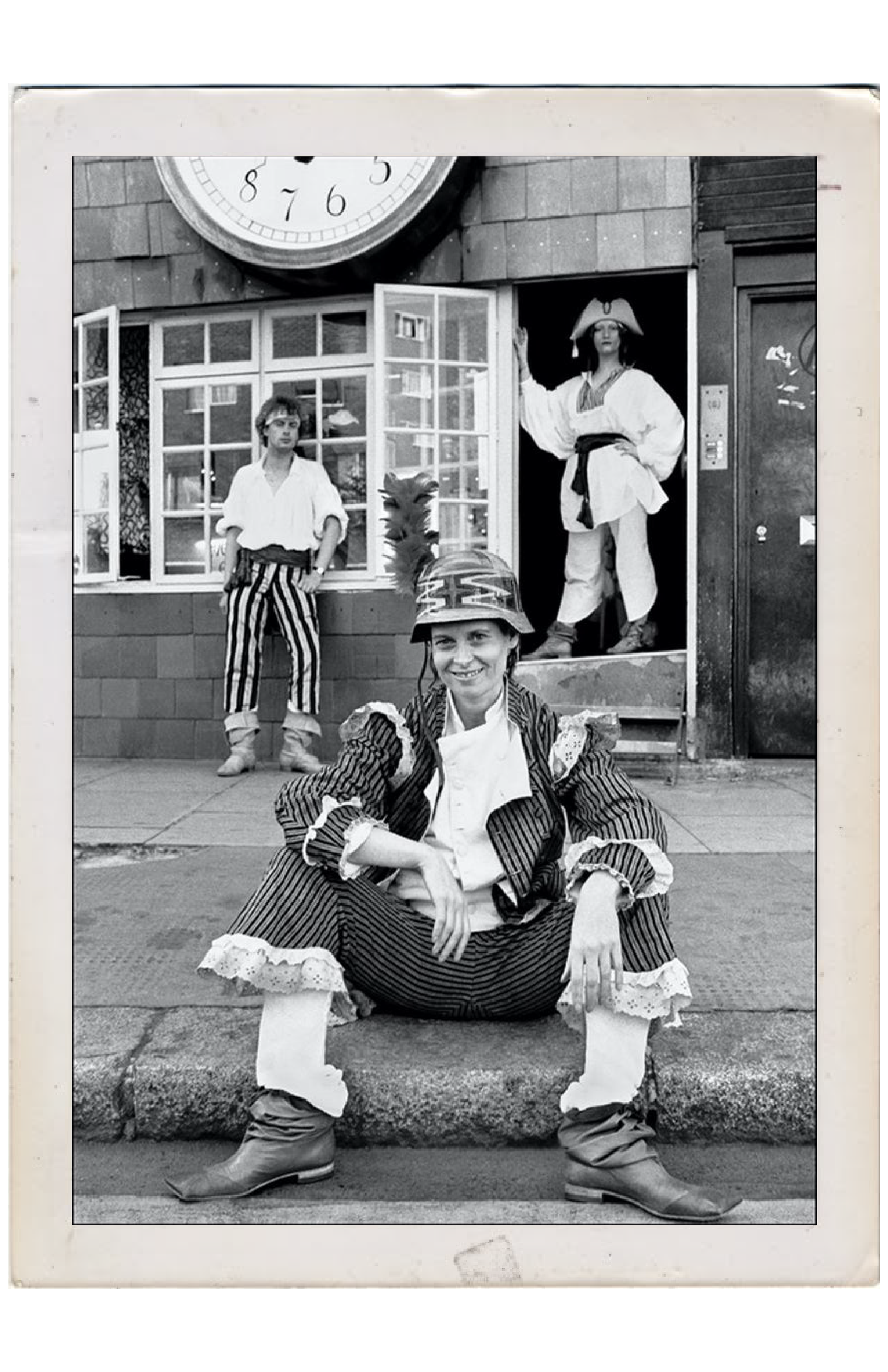
Image Source: Alex Westerman