

Vivienne Westwood looks beyond the aesthetic qualities of materials, carefully considering their impact on people, nature and the environment. Through responsible sourcing and material innovation, each collection reflects a commitment to sustainability without compromising craftsmanship.
Cotton
Cotton is widely used across Vivienne Westwood’s ready to wear collections, particularly for printed T-shirts and everyday garments. The brand increasingly prioritises responsibly sourced cotton to reduce its environmental impact.
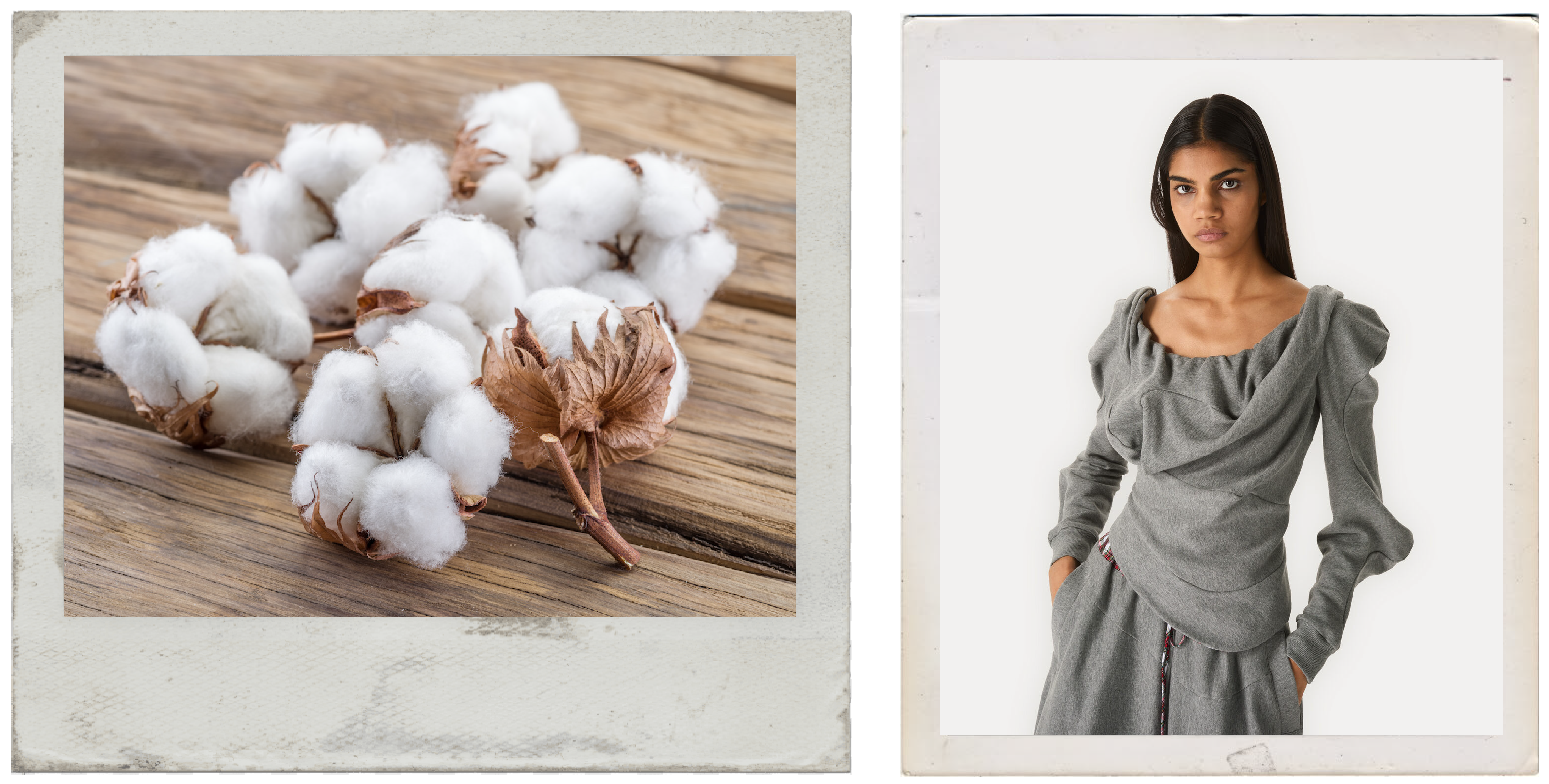
Image Source: Master Class & Vivienne Westwood
Leather
Leather became closely associated with Westwood’s early punk designs, appearing in jackets, footwear and accessories. Its strong texture and durability supported the rebellious character of her works.
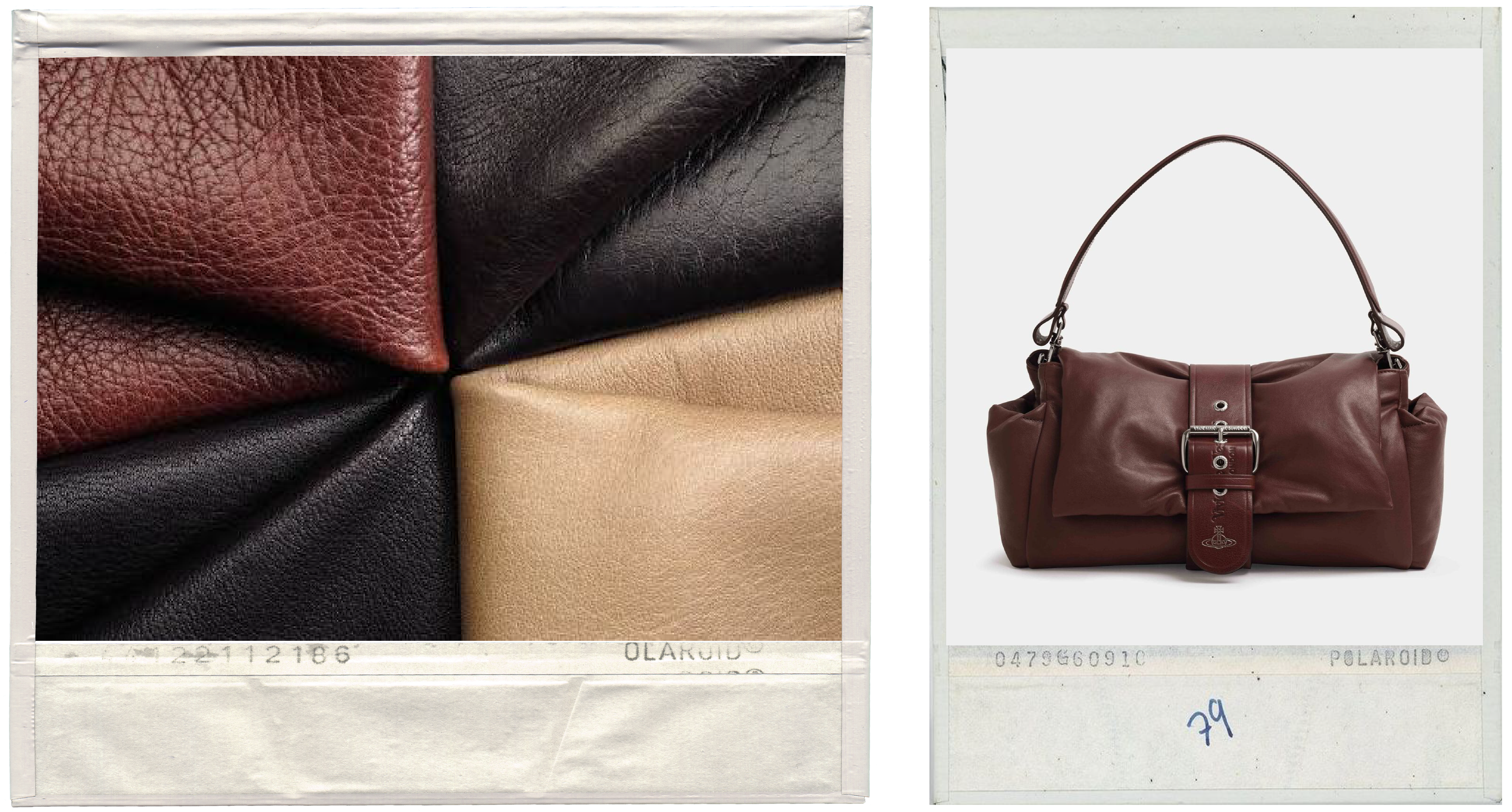
Image Source: Original Tuscany & Vivienne Westwood
Wool
Wool is important to Westwood’s tailoring, knitwear and outerwear. Traditional British wool and tweed connect her collections to traditional craftsmanship while creating structured and expressive silhouettes.
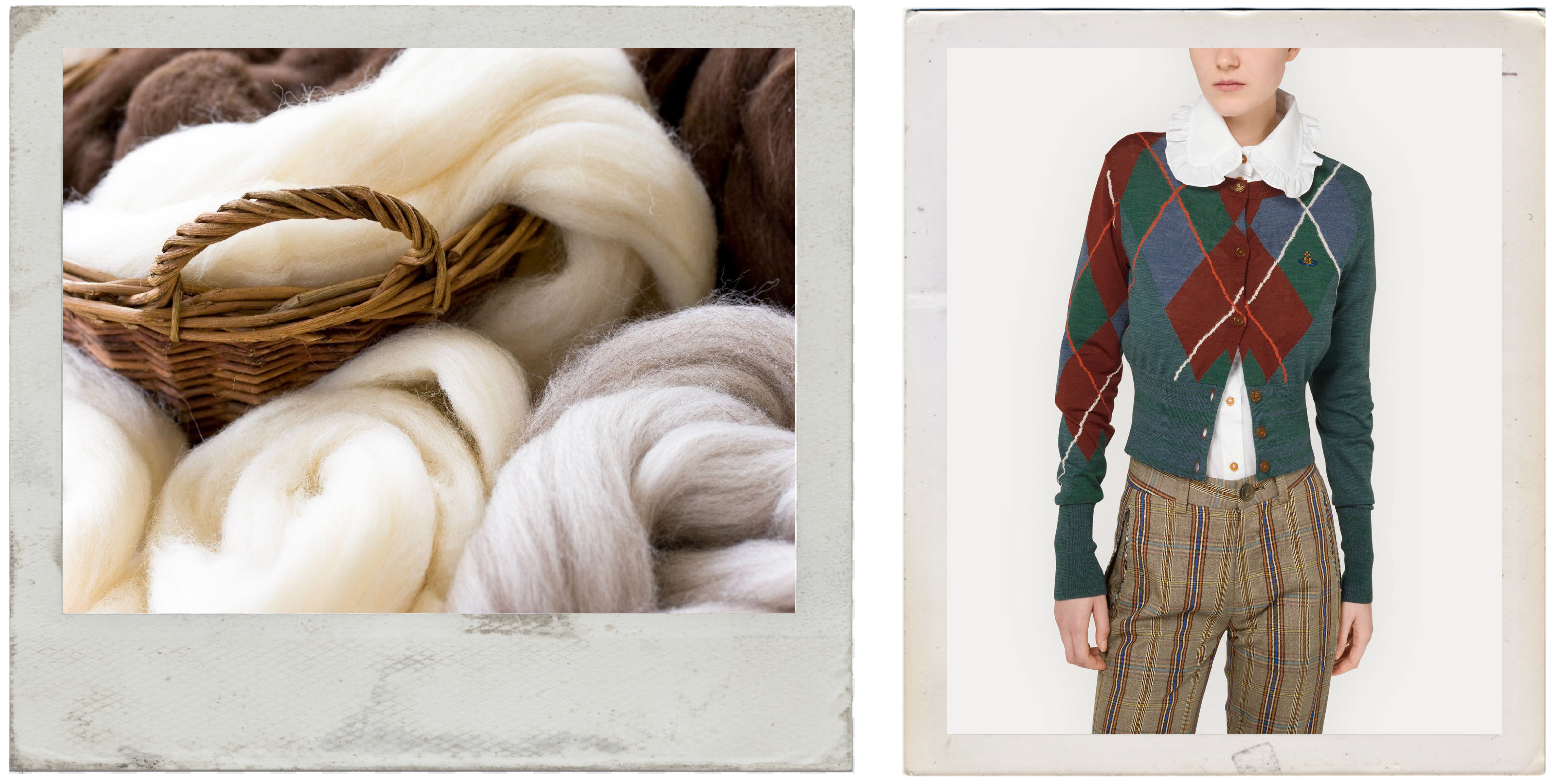
Image Source: Medical Sheepskins & Vivienne Westwood
Silk
Silk is used in eveningwear, bridal designs and garments influenced by historical dresses. Its light movement and smooth finish complement Westwood’s dramatic draping and elegant silhouettes.
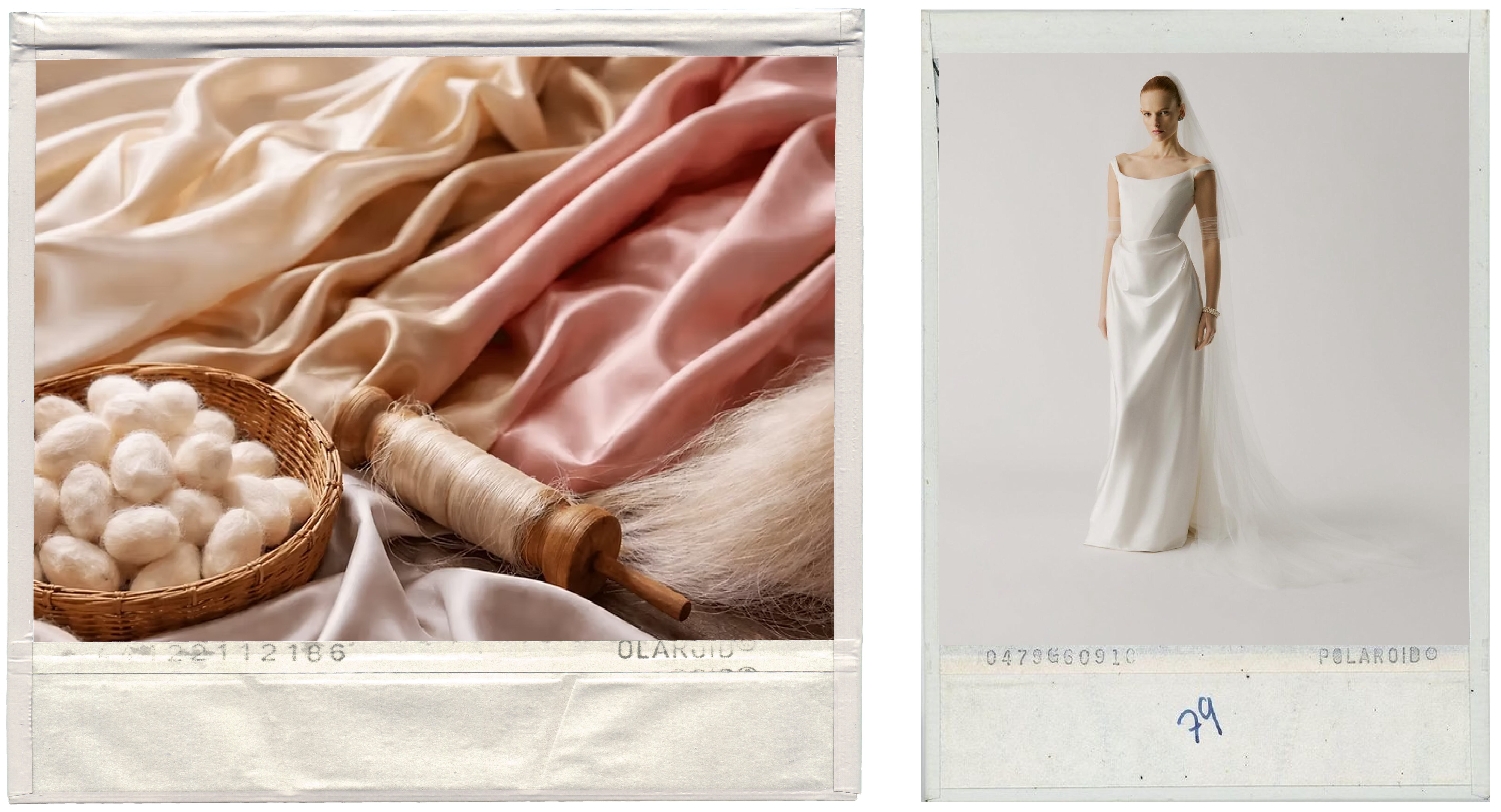
Image Source: Source Creative & Vivienne Westwood
Metals
Metals such as silver and brass are commonly used in Vivienne Westwood jewellery and accessories. These materials allow a detailed construction of the orb and other recognisable brand motifs.
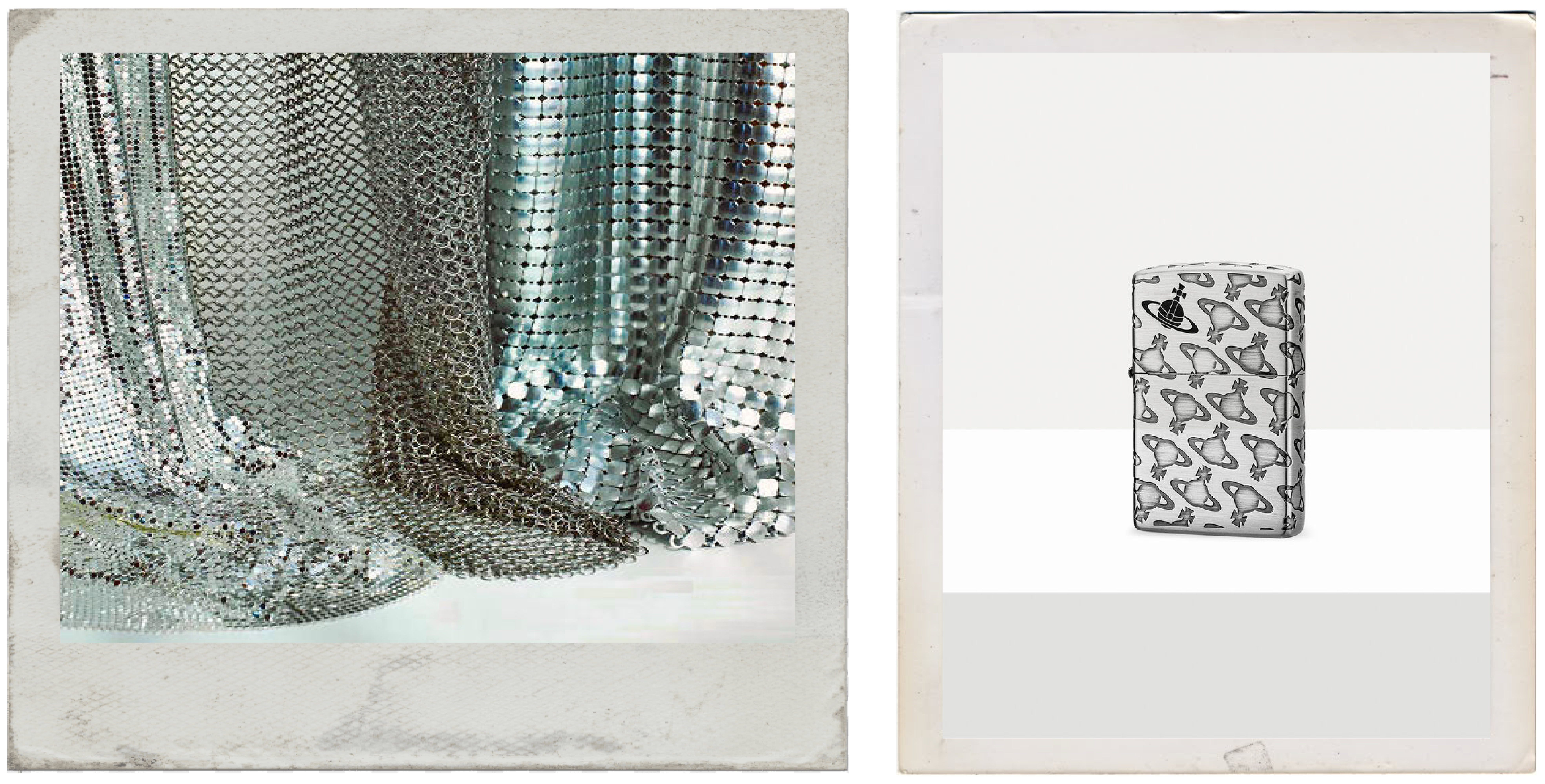
Image Source: RMJ Wire Cloth & Vivienne Westwood
Mother of Pearl
Mother of pearl is used in jewellery and decorative details for its natural shine and distinctive surface. It creates a contrast to the bold metal forms found throughout Westwood’s accessories.
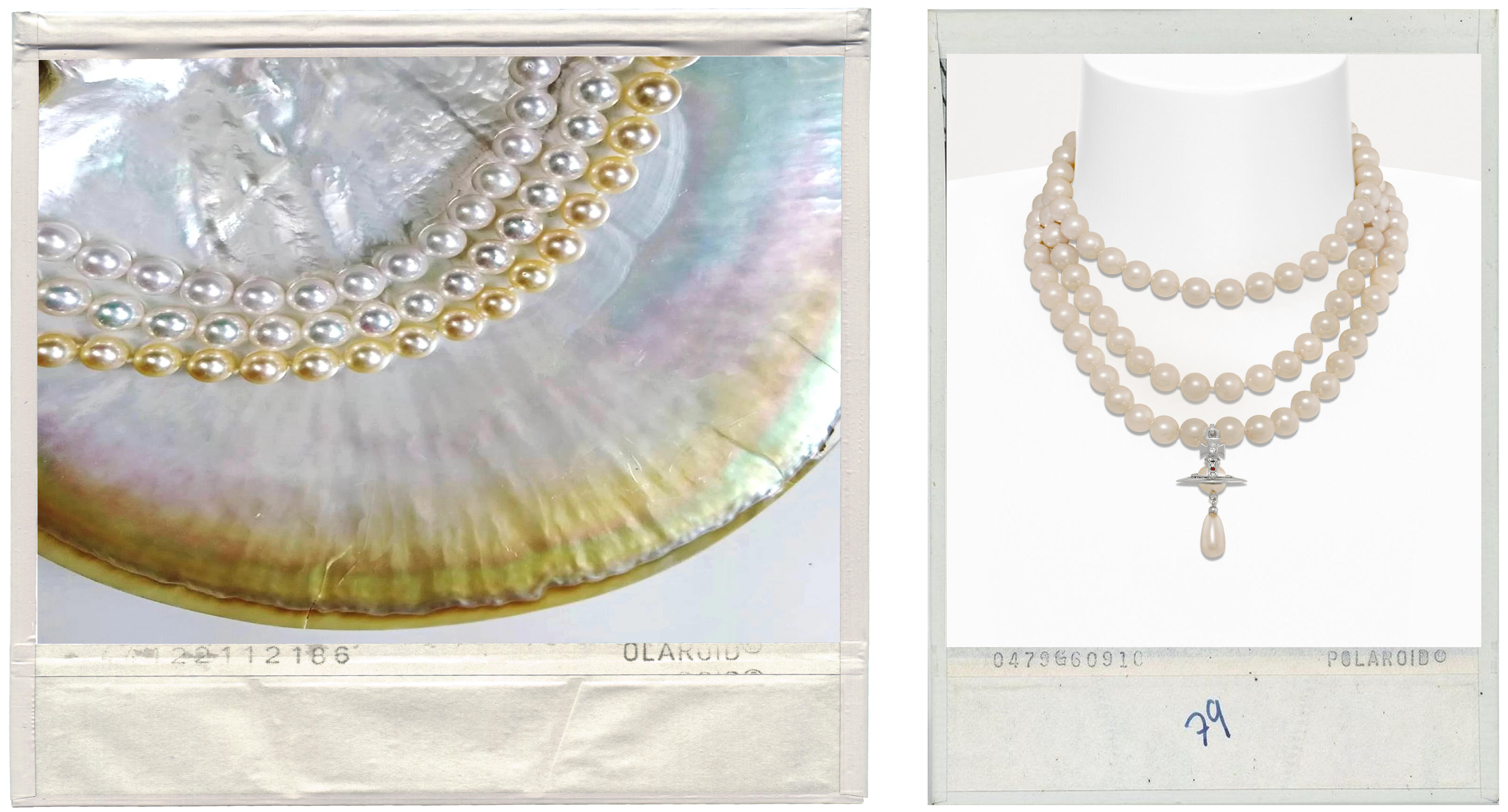
Image Source: Pearls.co.uk & Vivienne Westwood

Beyond the choice of materials, Vivienne Westwood challenged traditional fashion through historical references, bold construction and distinctive visual symbols.
Corsetry
Westwood reinterpreted historical corsets as visible outerwear. Her designs used corsetry to shape the body and create confident, dramatic silhouettes rather than hiding the structure beneath clothings.
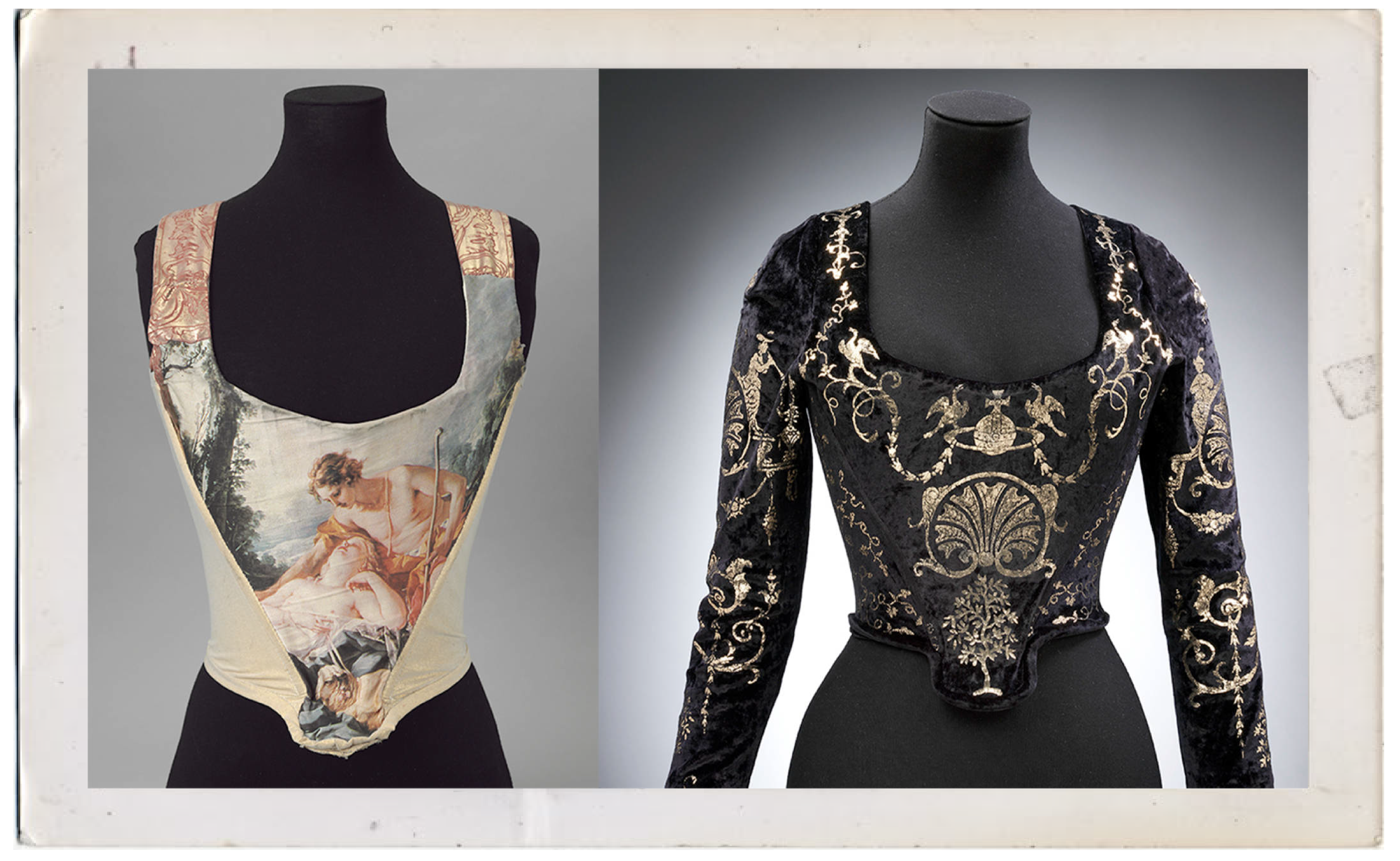
Image Source: Victoria and Albert Museum (V&A)
Tartan
Westwood transformed traditional Scottish tartan patterns into a rebellious fashion statement. She mixed heritage patterns with punk styling and later created her own registered MacAndreas tartan.
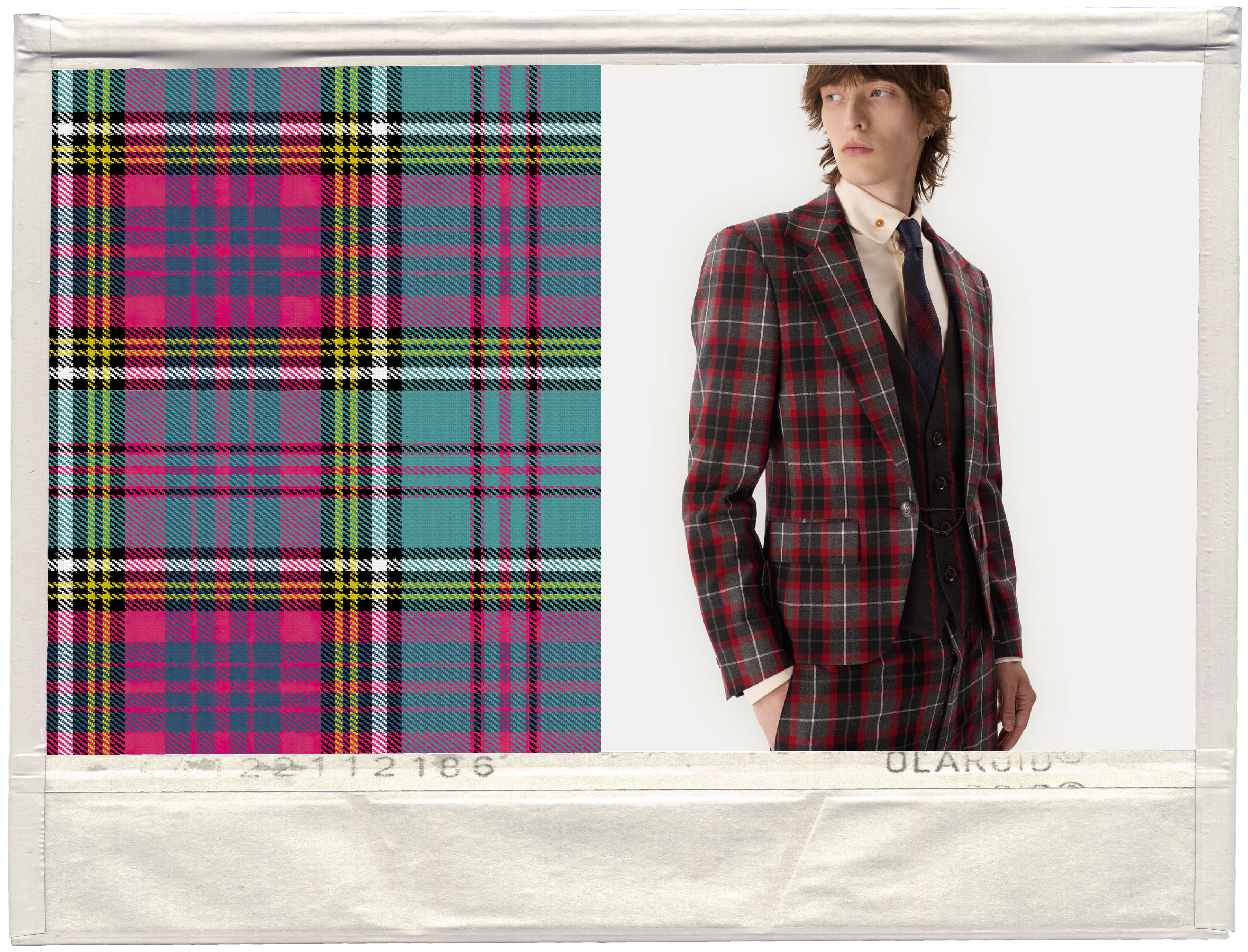
Image Source: Vivienne Westwood
Tailoring
Traditional British tailoring became a foundation for Westwood’s structured jackets and suits. She disrupted conventional proportions through exaggerated shoulders, asymmetrical cuts and unexpected construction.
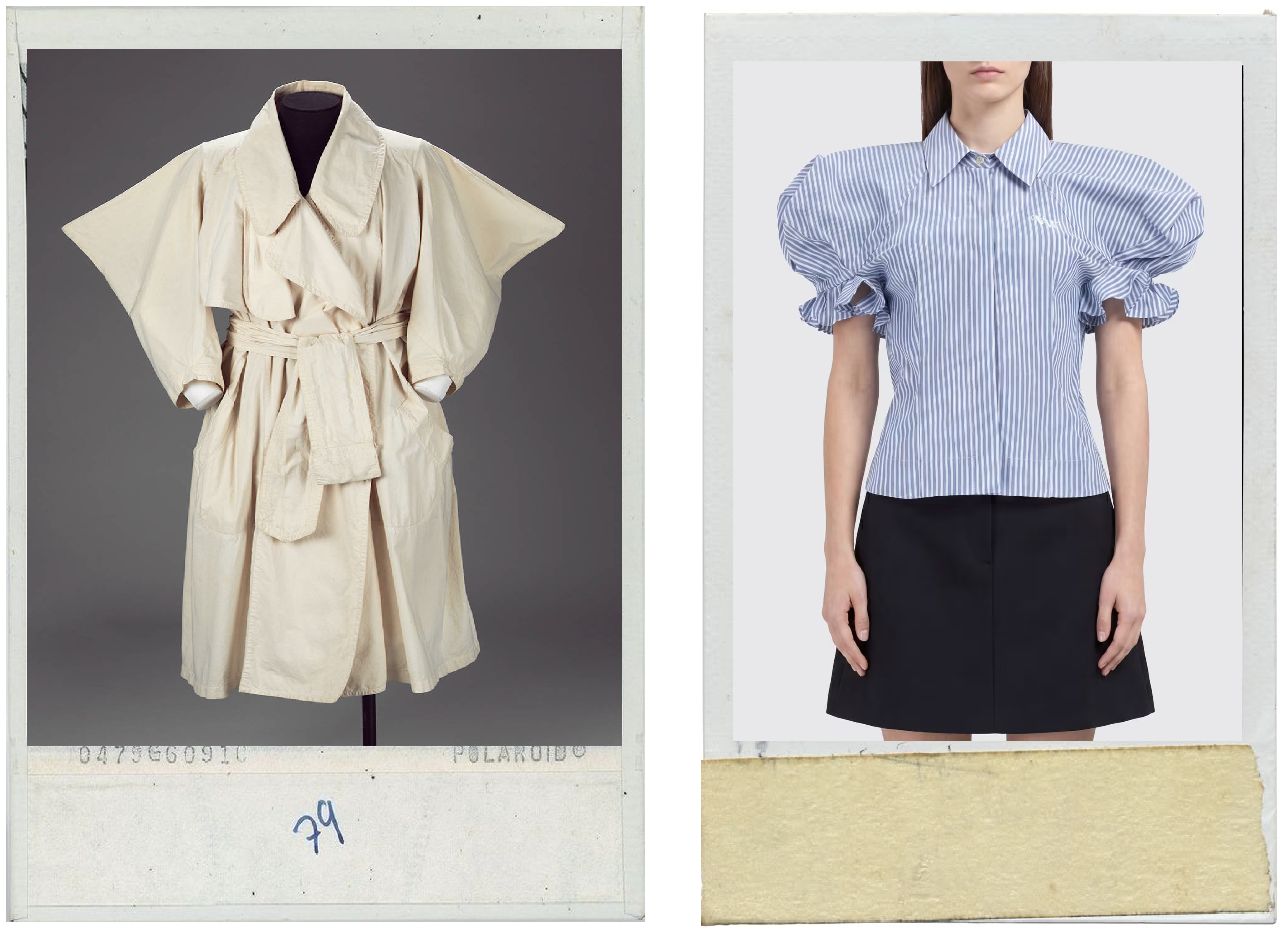
Image Source: Victoria and Albert Museum (V&A) & Giglio
Historical References
Westwood frequently studied clothing from the past, including 18th century dresses, Victorian fashion and royal costume. She reworked these references through contemporary styling and exaggerated forms.
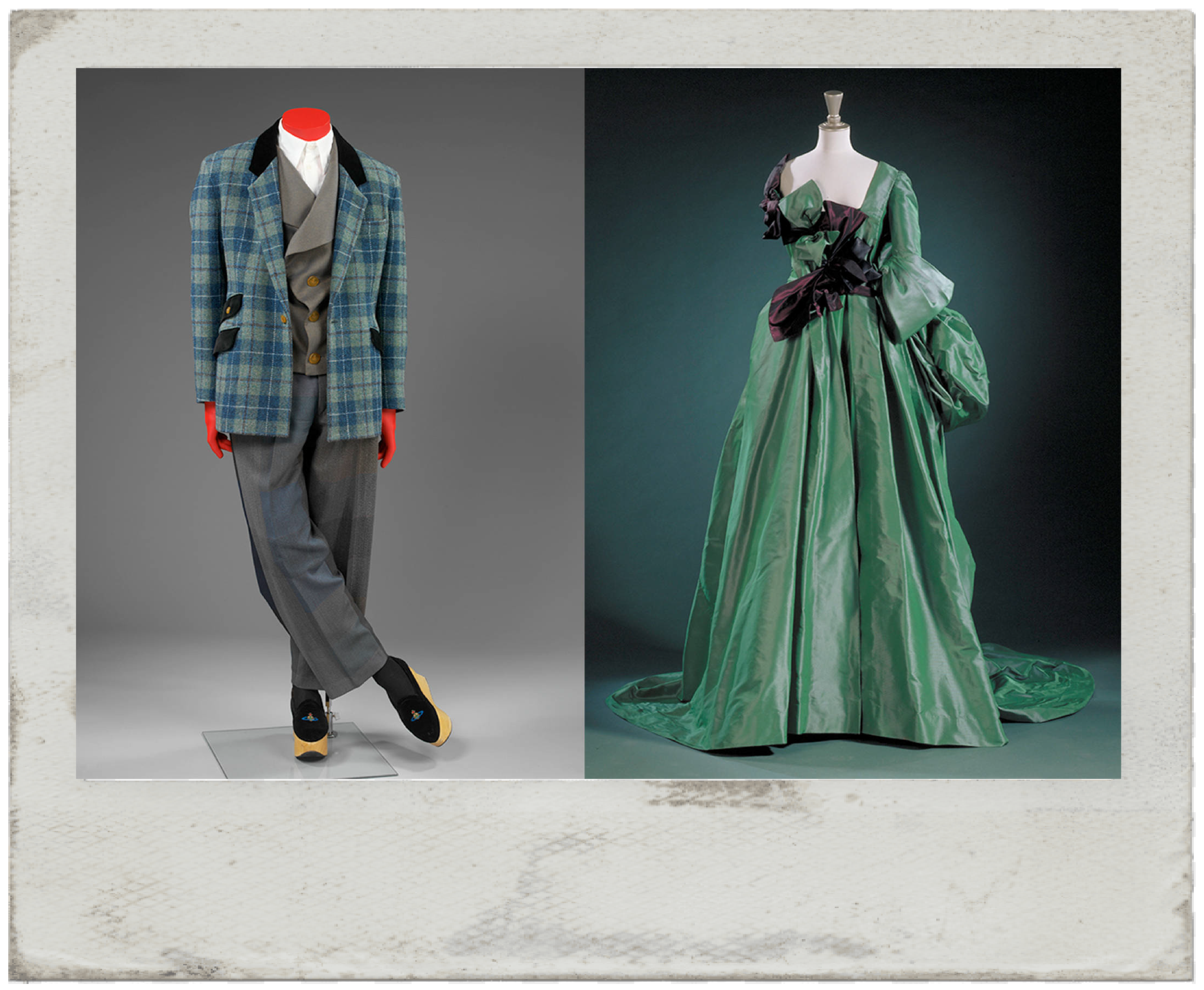
Image Source: Victoria and Albert Museum (V&A)
The Orb
The Orb combines the Sovereign’s Orb with the rings of Saturn. It represents Westwood’s balance between British heritage and innovative design which became the brand’s most recognisable symbol.
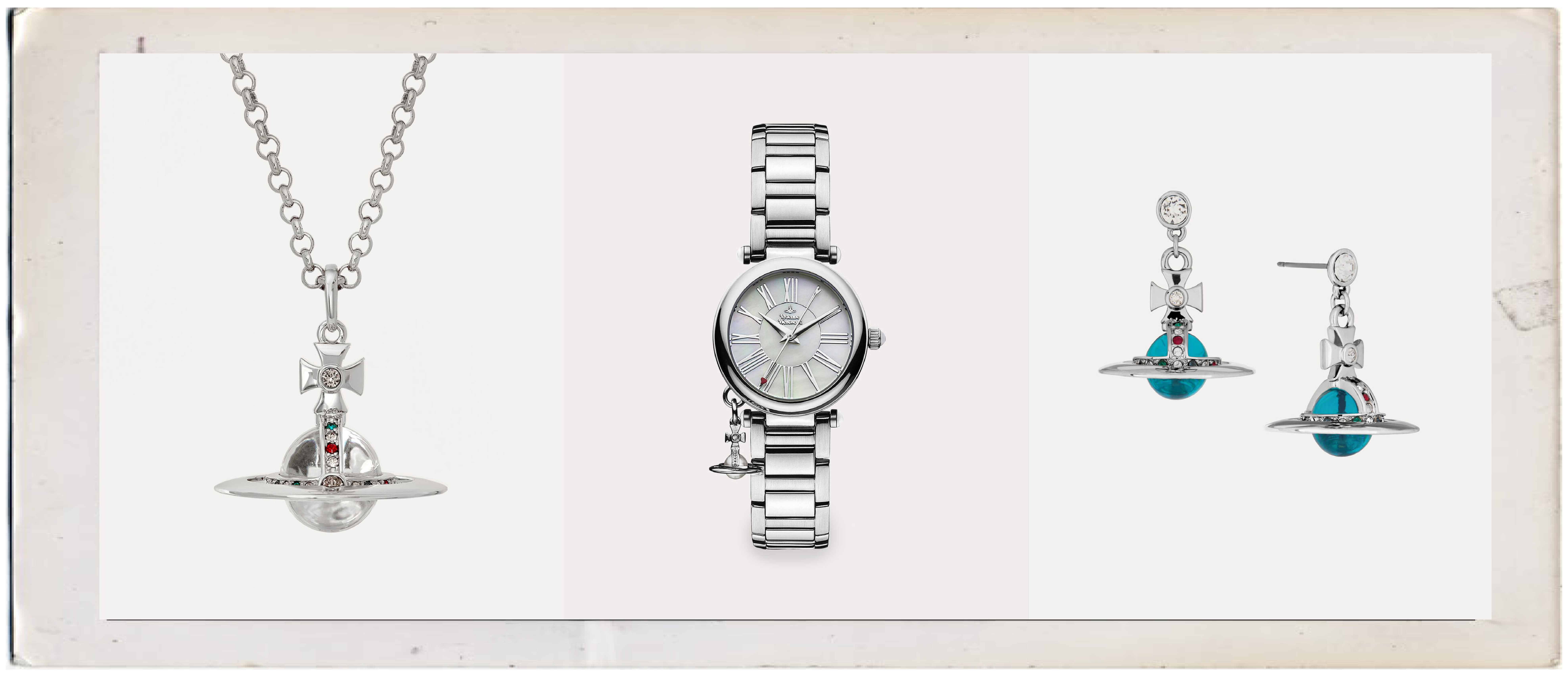
Image Source: Vivienne Westwood